My problem isn't that I have nothing to sell. My problem is that what I have is available for only a short time. I need someone to arrive when my field is ready. I need machinery, transportation, storage and a buyer who knows what the material is worth. If even one part fails, the whole chain breaks.
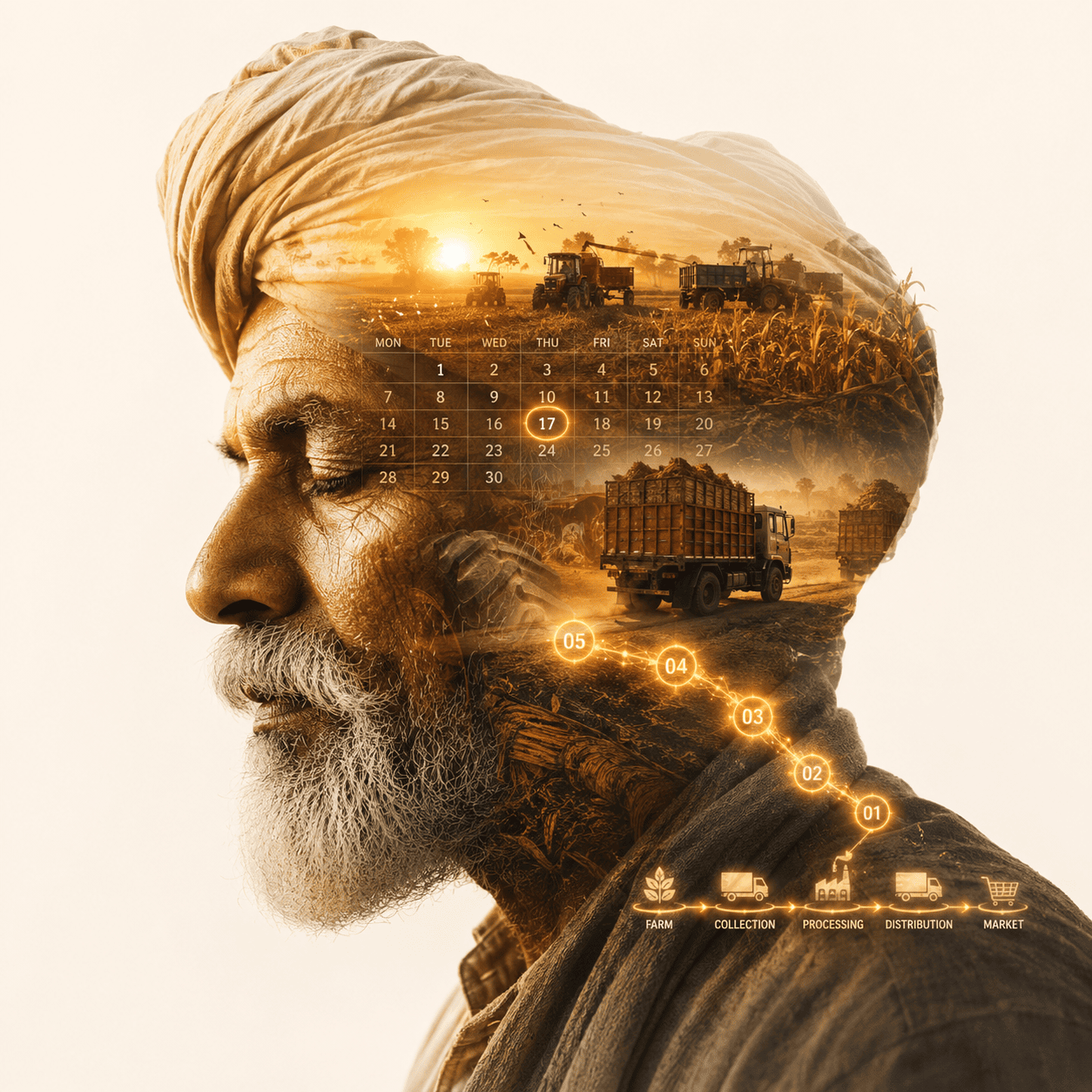
So who connects all these moving pieces?
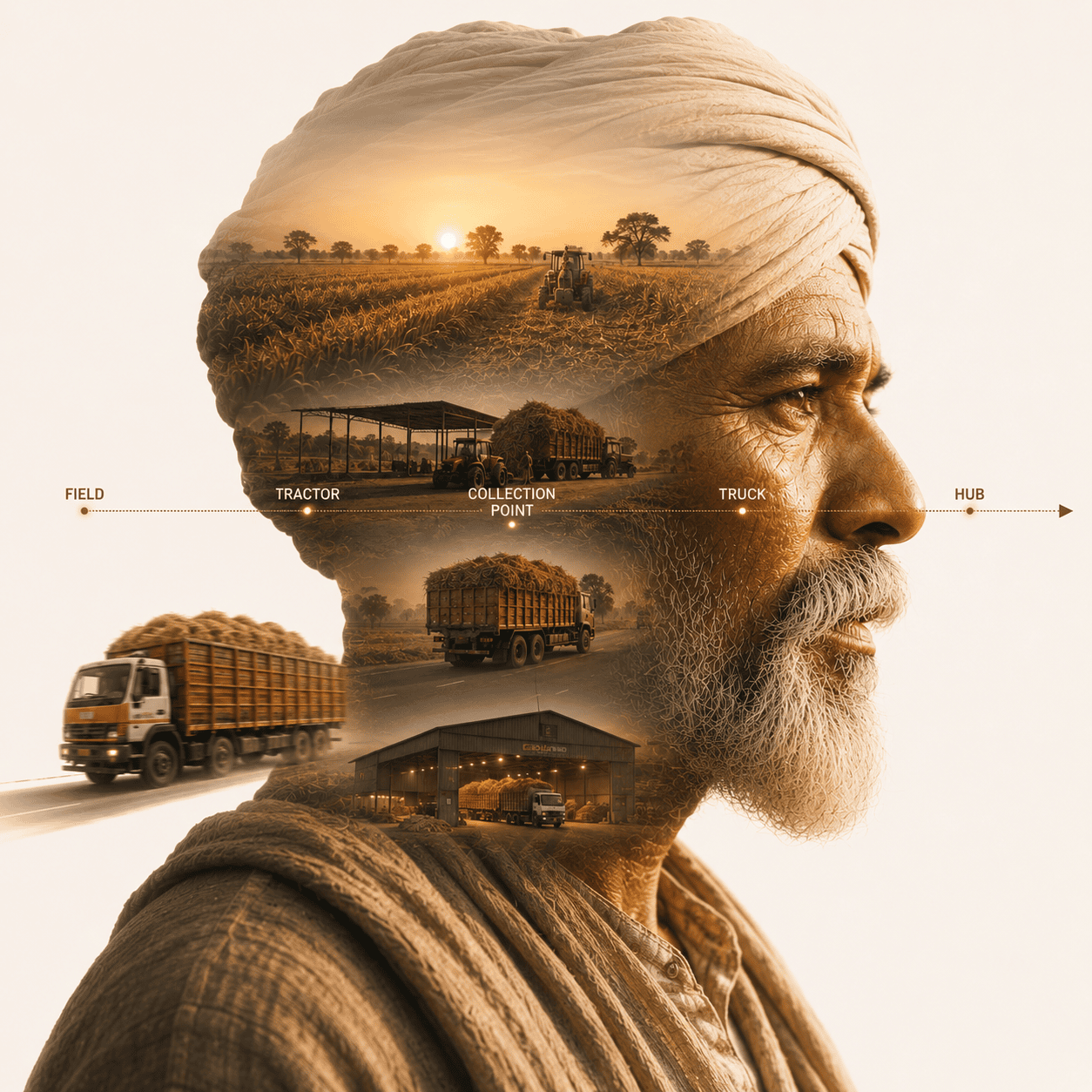
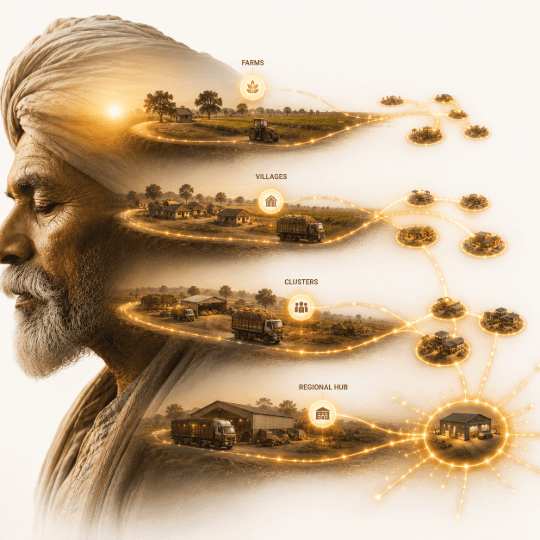
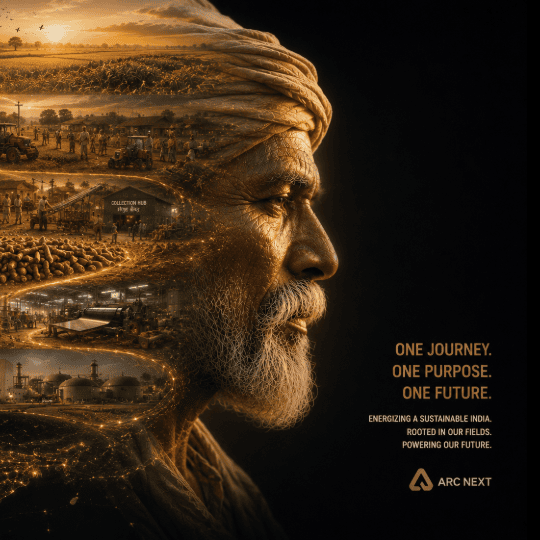
I begin to realise that the missing piece was never the biomass. It was the road between my field and the factory. My village can connect to a collection point. Several villages can connect to a cluster. Clusters can move together toward a regional hub.
Suddenly, something too scattered for industry begins to look like a reliable resource.
But what can my residue actually become?
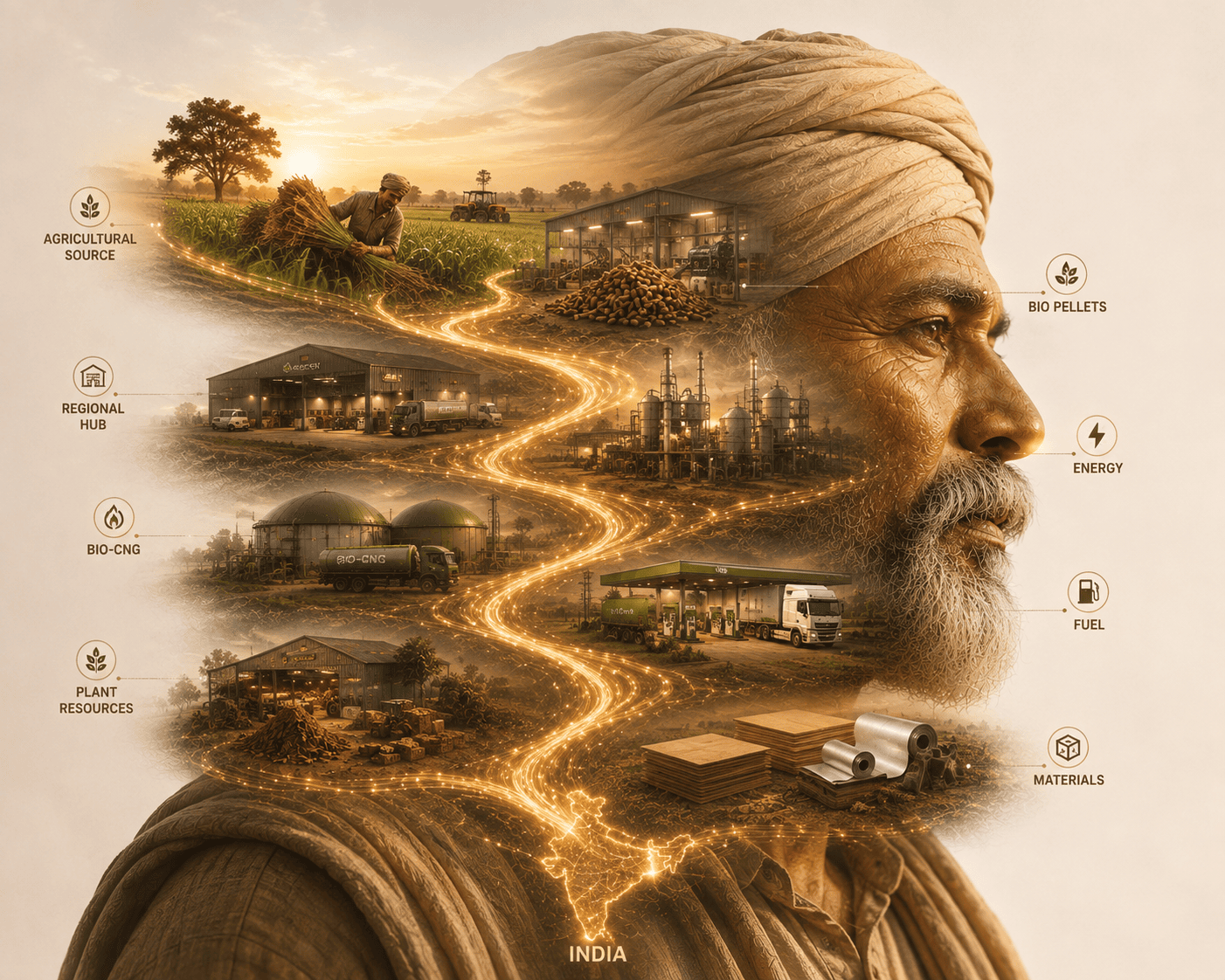
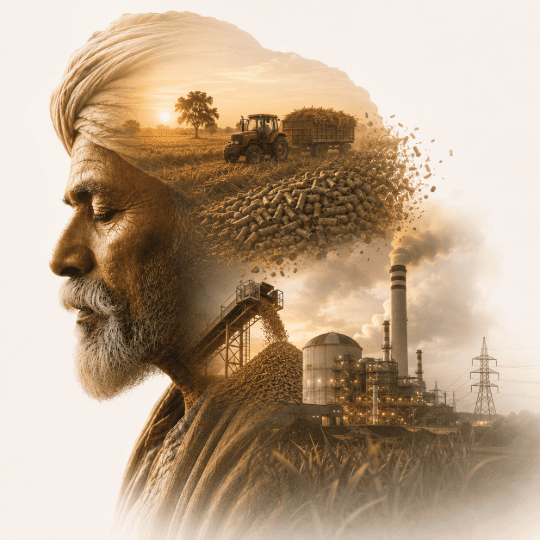
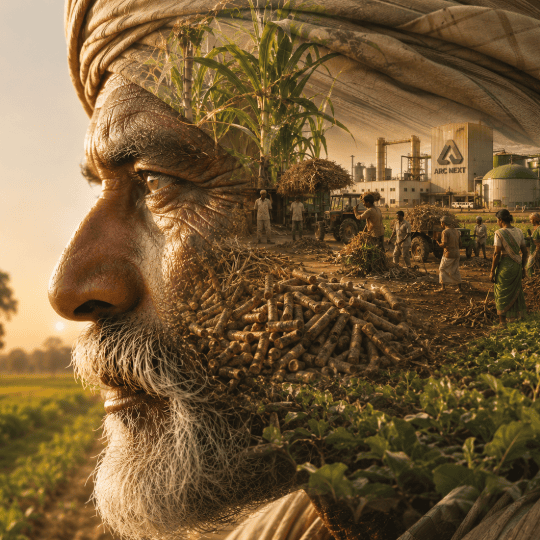
I watch the residue leave my field and become something I never imagined it could be: a source of industrial energy. Instead of disappearing into smoke, it can be collected, processed and transformed into biomass fuel for applications such as co-firing, and i figure there are lots of other uses.
For me, this changes the meaning of what I leave behind.
But does the value really come back to people like me?
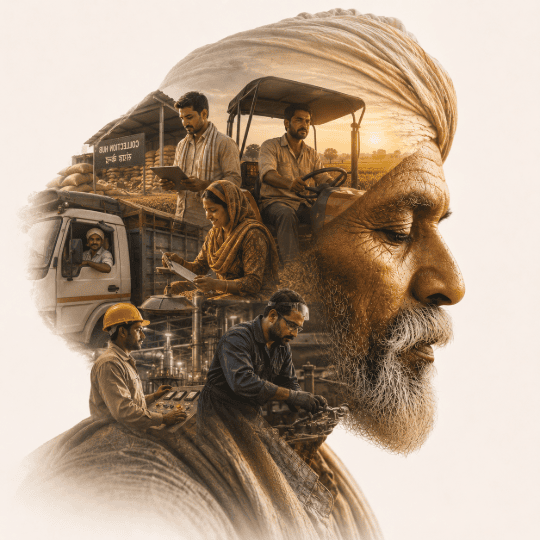
I don't want my village to be known only for what it produces during harvest. I want there to be work after the harvest too. If biomass creates demand for collection, logistics, machinery and processing, then value can begin staying closer to where the resource is created. One village may not change much.
But what happens when thousands of villages move together?
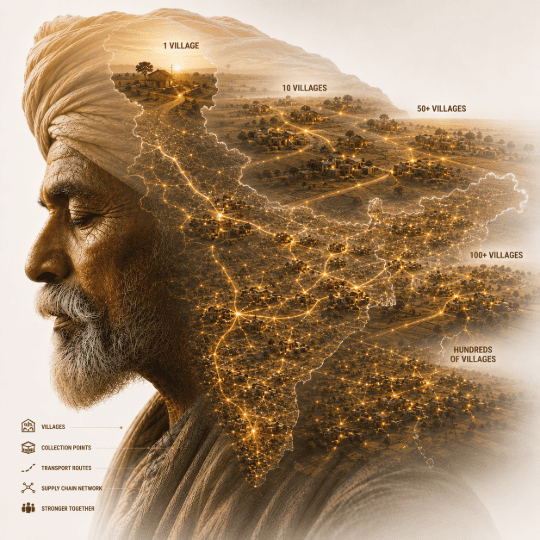
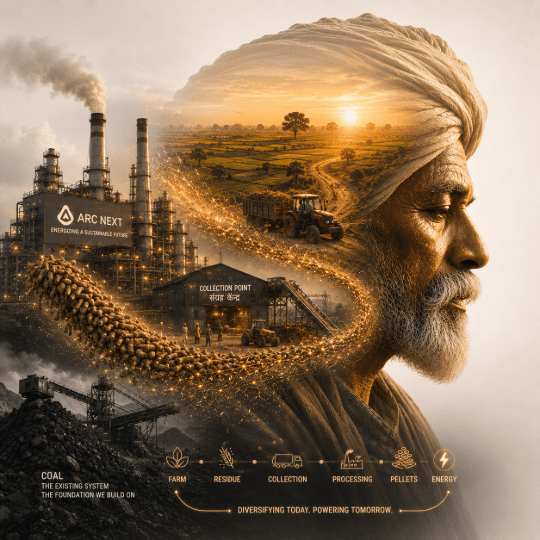
The more I understand, the bigger the picture becomes. If my residue can become energy, if another resource can become a material, and if another feedstock can eventually become a circular fuel, then this is no longer just about clearing my field. It is about connecting what rural India already produces with what the rest of India needs.
So where do we begin?
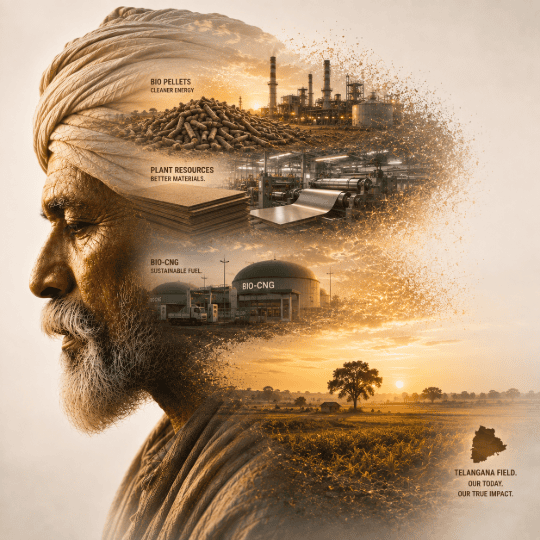
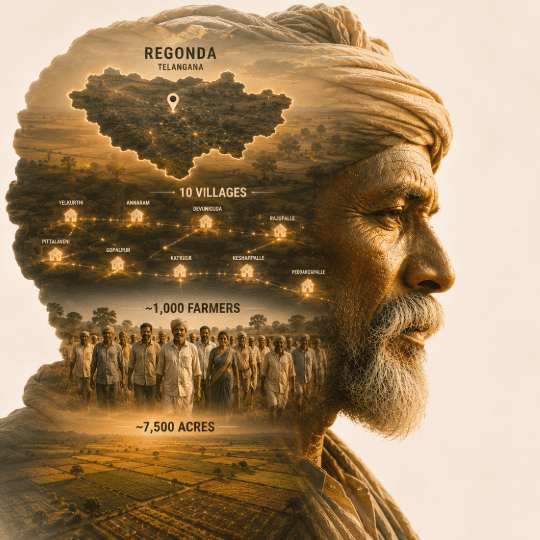
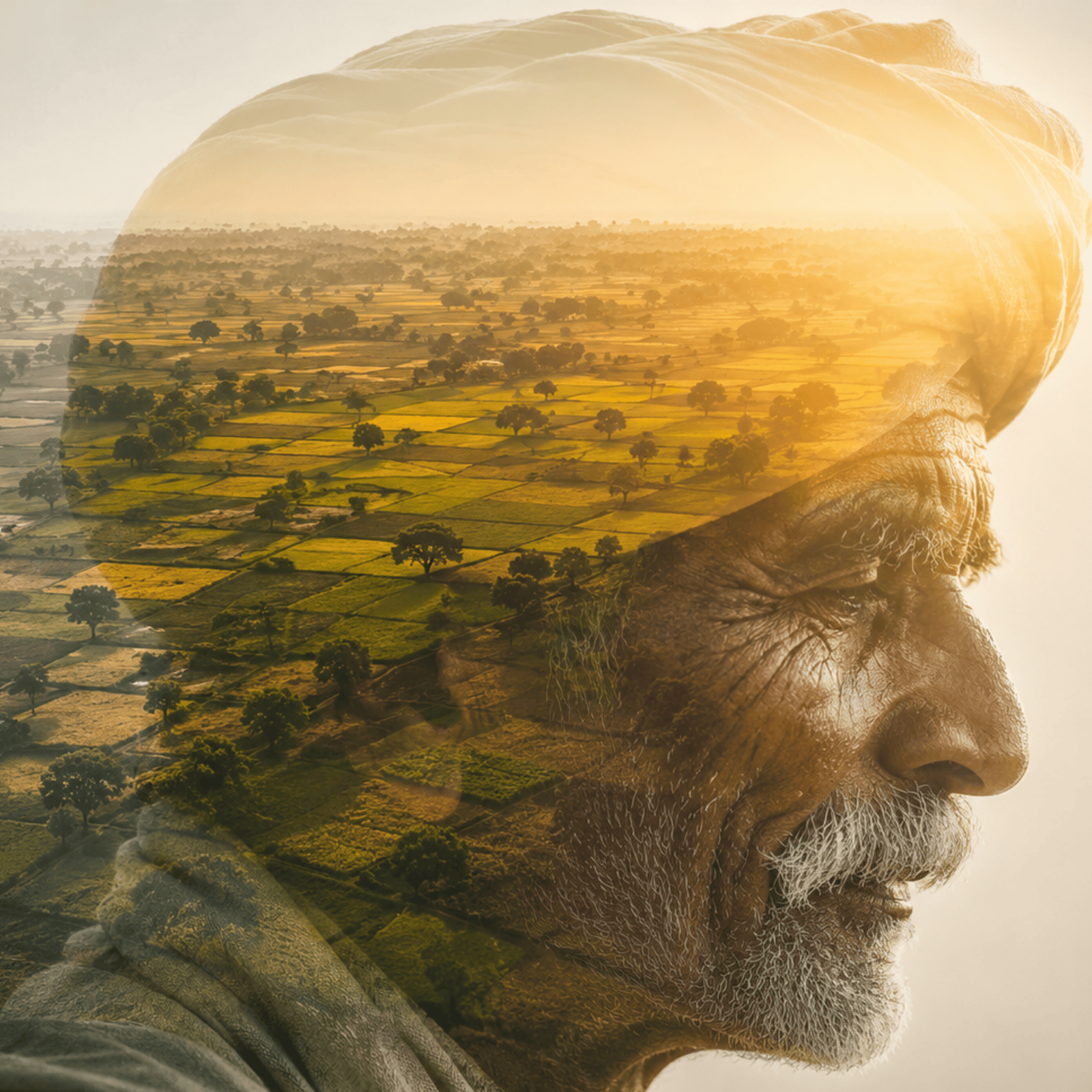
I stand in the same field where I once saw something that had to disappear. I see it differently now. I see income that could return to my family. I see work that could stay in my village. I see material that could become energy, fuel or something new. And I begin to wonder whether the answer to some of our biggest problems has been growing around us all along.
What if I have been holding part of the solution?
WHY IT MATTERS?
I believe that in an interconnected world, no resource should remain disconnected from the opportunity it can create. As a farmer, I see what is left behind in my fields-but I also see what it could become. My duty is to help connect that resource to the industries that need it, so value can return to my village through better livelihoods, new rural jobs and stronger local economies.
When rural India grows with the rest of the country, we don't just grow our farms-we help build the Viksit Bharat we all dream of.
I believe that in an interconnected world, no resource should remain disconnected from the opportunity it can create. As a farmer, I see what is left behind in my fields-but I also see what it could become. My duty is to help connect that resource to the industries that need it, so value can return to my village through better livelihoods, new rural jobs and stronger local economies.
When rural India grows with the rest of the country, we don't just grow our farms-we help build the Viksit Bharat we all dream of.